

Reading comprehension can sometimes feel like trying to catch smoke with your bare hands, elusive and frustrating. Yet, with the right literacy interventions, it doesn’t have to be an uphill battle. Imagine helping struggling readers unlock the hidden treasures of stories, articles, and data, sounds good, right? In this text, we’ll jump into the essential techniques and strategies that turn confusion into clarity, empowering learners to grasp the essence of written material. So, let’s transform those reading woes into reading pros.
Understanding Reading Comprehension
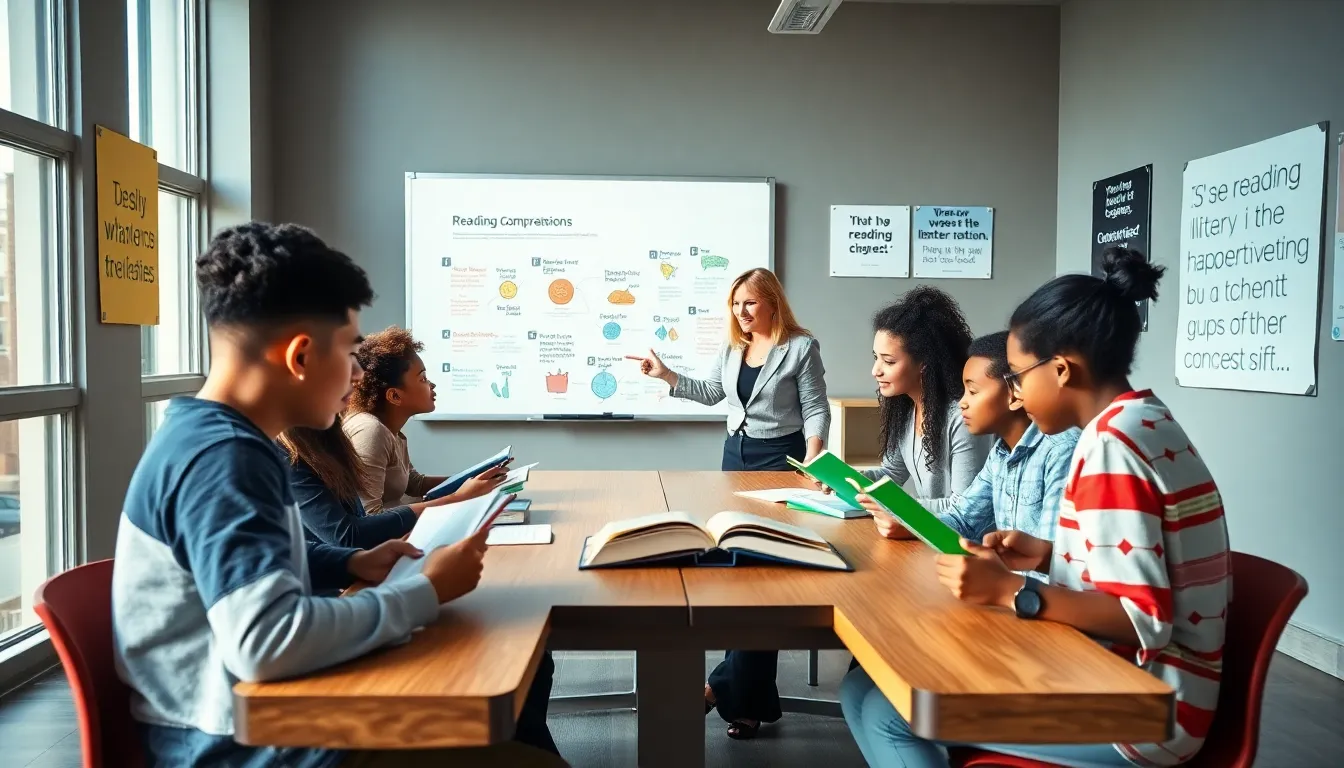
Reading comprehension involves more than just recognizing words on a page. It is the intricate process where the mind makes sense of text, integrating knowledge and context to derive meaning. This skill encompasses understanding, interpreting, and analyzing various types of writing. Factors such as vocabulary knowledge, background knowledge, and the ability to make inferences play significant roles. When learners grasp what they read, they thrive academically and beyond.
Key Components of Reading Comprehension
Several essential components contribute to effective reading comprehension.
Vocabulary Knowledge
A robust vocabulary allows readers to understand and interpret the text better. Recognizing words is just the beginning: knowing their meanings in different contexts is crucial.
Background Knowledge
Having context about the topic being read provides a framework for understanding. Background knowledge helps bridge gaps and enhances a reader’s ability to connect new information with what they already know.
Inference Skills
Readers often need to draw conclusions that aren’t explicitly stated. Strong inference skills enable them to interpret the nuances of dialogue, settings, and plot developments.
Monitoring Comprehension
Skilled readers continually check their understanding as they read. When something doesn’t make sense, they revisit previous sections or adjust their reading strategies accordingly.
Types of Literacy Interventions
There are various literacy interventions tailored to improve reading comprehension, catering to different educational needs and settings. Here are some key types:
Guided Reading
This approach involves small group instruction where educators can target specific comprehension needs. It allows for tailored support that meets individual learner’s levels.
Reciprocal Teaching
This strategy encourages students to take turns leading discussions about a text. They practice summarizing, questioning, clarifying, and predicting, enhancing their comprehension skills in the process.
Reading Aloud
Hearing text read aloud can significantly support comprehension, especially for struggling readers. This method showcases fluent reading, pronunciation, and expression, while also modeling thinking processes.
Effective Strategies For Implementing Interventions
Implementing literacy interventions effectively requires thoughtful planning and execution. Here are several strategies to consider:
Setting Clear Objectives
Before initiating any intervention, educators should set specific, measurable, achievable, relevant, and time-bound (SMART) goals. These objectives will guide instructional choices and help measure progress.
Differentiated Instruction
Recognizing that each learner is unique, applying differentiated strategies ensures that interventions meet individual needs. This could involve varying the reading materials, grouping strategies, or instructional methods.
Regular Feedback
Providing learners with consistent, constructive feedback boosts motivation and helps them track their improvement. Procedures like one-on-one conferences can help this personalization.
Monitoring Progress and Outcomes
Monitoring progress is essential for assessing the effectiveness of literacy interventions. Key methods include:
Regular Assessments
Incorporating formative assessments provides insights into students’ understanding and abilities. These assessments may include quizzes, reading logs, or comprehension questions.
Challenges and Considerations
Implementing literacy interventions is not without its challenges. Some common obstacles include:
Resource Allocation
Effective interventions often require materials, time, and training. Budget constraints can limit access to necessary resources, making it essential to seek out grants or community support where possible.
Resistance to Change
Some educators may hesitate to adopt new strategies. Encouraging professional development and showcasing successful outcomes can ease these uncertainties, promoting a culture of innovation.


